Choosing Between Engineered Hardwood and Luxury Vinyl for High-Traffic Areas
Choosing the right flooring for high-traffic areas is not just about finding a material that looks attractive. Floors in busy parts of a home, such as hallways, living rooms, kitchens, entryways, and family spaces, need to handle constant movement, dirt, spills, furniture pressure, and everyday wear. Two popular options homeowners often compare are engineered hardwood and luxury vinyl flooring.
Both flooring types offer strong benefits, but they perform differently depending on your lifestyle, budget, maintenance expectations, and design goals. Engineered hardwood provides the natural beauty of real wood, while luxury vinyl focuses on durability, affordability, and easy maintenance. Understanding the differences can help you choose a flooring option that remains practical and attractive for years.
What Is Engineered Hardwood Flooring?
Engineered hardwood is a real wood flooring product made with multiple layers. The top layer is a thin section of natural hardwood veneer, while the lower layers are usually made from plywood or high-density fiber materials arranged for stability.
Unlike traditional solid hardwood, engineered hardwood is designed to handle changes in humidity and temperature better. Its layered construction reduces the chances of expanding, shrinking, or warping, making it suitable for areas where solid wood may not perform as well.
The main appeal of engineered hardwood is that it delivers the authentic appearance and texture of real wood. Each plank has natural grain patterns, color variations, and a premium look that many homeowners prefer.
What Is Luxury Vinyl Flooring?
Luxury vinyl flooring, often called LVP (luxury vinyl plank) or LVT (luxury vinyl tile), is a manufactured flooring option designed to imitate natural materials such as hardwood, stone, or ceramic tile.
Modern luxury vinyl has improved significantly compared to older vinyl flooring products. It typically includes multiple layers, including a protective wear layer, a decorative design layer, a waterproof core, and a backing layer for stability.
Luxury vinyl is especially popular in high-traffic areas because it is resistant to scratches, stains, moisture, and everyday damage. Many designs closely replicate the appearance of real wood, making it an attractive alternative for homeowners who want durability without sacrificing style.
Durability Comparison for High-Traffic Areas
When choosing flooring for busy spaces, durability is one of the most important factors.
Engineered hardwood can last for decades when properly maintained. The real wood surface can often be refinished one or more times depending on the thickness of the hardwood layer. This allows homeowners to refresh the appearance after years of wear.
However, engineered hardwood is still a natural wood product. It can be scratched by pets, damaged by sharp objects, and affected by excessive moisture. Areas like kitchens, mudrooms, or homes with frequent spills may require extra care.
Luxury vinyl is designed for demanding environments. Its protective top layer helps prevent scratches, dents, and stains. It handles moisture better than hardwood, making it a practical choice for families with children, pets, or active households.
For extremely busy areas where durability is the main priority, luxury vinyl often has an advantage.
Appearance and Design Options
Flooring is a major part of a home’s overall design, and appearance plays a big role in the decision.
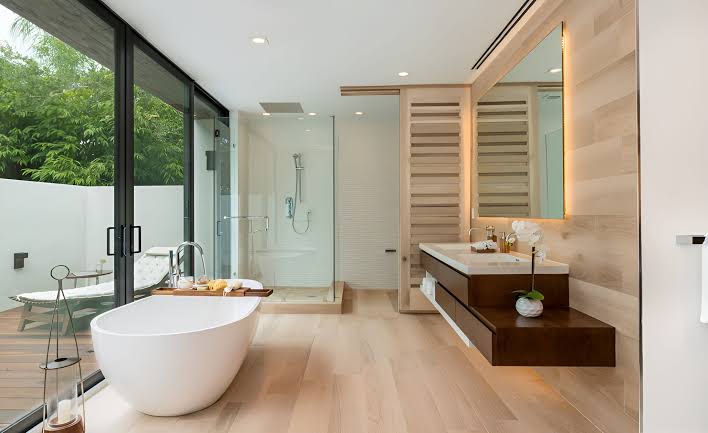
Engineered hardwood offers something luxury vinyl cannot completely duplicate: genuine wood. The natural texture, grain patterns, and warmth of real timber create a premium look that works well with traditional, modern, and luxury interior styles.
Luxury vinyl has made significant improvements in appearance. High-quality products can closely resemble hardwood, including realistic textures and detailed patterns. It is available in many colors, plank sizes, and finishes, giving homeowners plenty of design flexibility.
If achieving an authentic natural wood appearance is the highest priority, engineered hardwood may be the better choice. If you want more design variety with easier maintenance, luxury vinyl can be a strong option.
Moisture Resistance and Cleaning Requirements
High-traffic areas collect dirt, dust, and spills, so maintenance requirements matter.
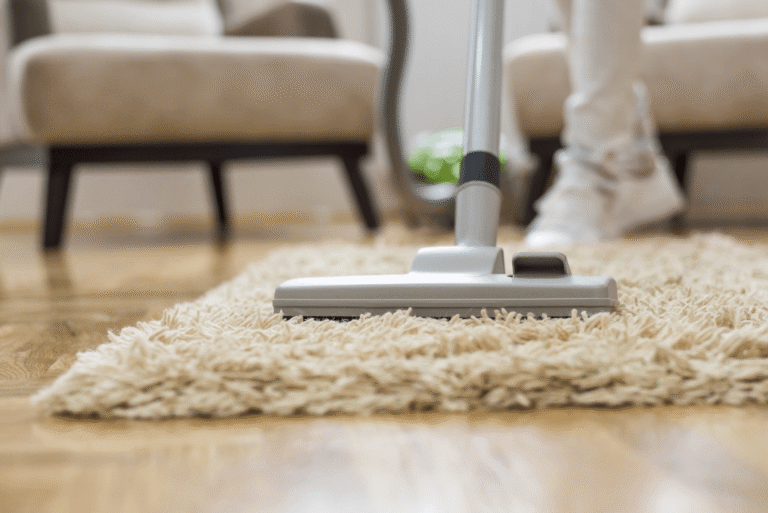
Engineered hardwood should be cleaned carefully. Excess water can damage the wood layers over time, and spills should be wiped quickly. Regular sweeping, vacuuming, and occasional cleaning with wood-safe products help protect the surface.
Luxury vinyl is much easier to maintain. Most spills can be cleaned without worrying about permanent damage. Regular sweeping and occasional mopping are usually enough to keep it looking good.
For households that want low-maintenance flooring, especially in busy areas, luxury vinyl offers convenience.
Installation Differences
Installation methods can also influence your decision.
Engineered hardwood can be installed using floating, glue-down, or nail-down methods depending on the product and subfloor conditions. Professional installation is often recommended to achieve the best results.
Luxury vinyl is generally easier to install. Many products use click-lock systems that allow planks to connect without extensive preparation. Some homeowners choose luxury vinyl for DIY renovation projects because installation is usually faster and requires fewer specialized skills.
However, proper subfloor preparation is important for both flooring types. Uneven surfaces can create problems such as gaps, movement, or uneven appearance.
Cost Comparison
Budget is another major consideration when selecting flooring.
Engineered hardwood usually costs more because it contains real wood and often requires professional installation. The price can vary depending on the wood species, finish, plank thickness, and quality.
Luxury vinyl is generally more affordable. It provides a wood-like appearance at a lower cost, making it attractive for homeowners renovating large areas.
While luxury vinyl may have a lower upfront price, engineered hardwood can add long-term value because of its premium appearance and potential lifespan.
Which Flooring Is Better for Families With Pets and Children?
Homes with pets and children often need flooring that can handle accidents, scratches, and heavy use.
Luxury vinyl is usually the more practical choice because of its waterproof qualities and strong surface protection. Pet accidents, muddy footprints, and spills are easier to manage.
Engineered hardwood can still work well in family homes, but homeowners may need to be more careful with cleaning and protection. Using rugs, furniture pads, and regular maintenance can help reduce damage.
Choosing the Right Option for Your Home
The best flooring choice depends on your priorities.
Choose engineered hardwood if you want:
- The authentic look and feel of real wood
- A premium flooring appearance
- A material that can potentially be refinished
- Long-term aesthetic value
Choose luxury vinyl if you want:
- Excellent durability for busy areas
- Water resistance
- Easier cleaning and maintenance
- A more budget-friendly option
- Flooring suitable for pets and children
Final Thoughts
Both engineered hardwood and luxury vinyl can be excellent flooring choices for high-traffic areas, but they serve different needs. Engineered hardwood focuses on natural beauty, elegance, and long-term appeal, while luxury vinyl focuses on practicality, durability, and easy maintenance.
Before making a decision, consider how your space is used every day. A quiet living room with a focus on design may benefit from engineered hardwood, while a busy family area or entryway may perform better with luxury vinyl.
The right flooring is not simply the one that looks best in a showroom. It is the option that fits your lifestyle, maintenance preferences, budget, and the demands of your home.