Traditional Craft Inspired Home Decoration Ideas Using Local Handmade Materials Style
Home decoration is increasingly shifting toward meaningful, sustainable, and culturally rich design choices. Among the most beautiful and authentic approaches is traditional craft inspired home décor using local handmade materials. This style is not just about aesthetics—it reflects heritage, supports local artisans, and brings warmth and personality into living spaces.
Unlike mass-produced décor items, handmade craft pieces carry uniqueness, imperfections, and storytelling value. Each woven basket, clay pot, carved wooden item, or hand-embroidered fabric represents human skill passed through generations. Incorporating these elements into home interiors creates spaces that feel alive, grounded, and culturally expressive.
This guide explores practical and creative ideas to bring traditional handmade crafts into modern homes while maintaining balance, elegance, and functionality.
The Beauty of Traditional Craft in Modern Interiors
Traditional crafts connect the past with the present. They represent cultural identity, local artistry, and sustainable living practices. When integrated into home décor, they add depth that modern synthetic designs often lack.
One of the key strengths of traditional craft décor is its natural imperfection. Handmade items are not identical, and this uniqueness gives character to interiors. Whether it is a handwoven rug or a clay vase, each piece becomes a focal point that tells a story.
In modern homes, this style works especially well because it softens minimalist interiors, adds warmth to neutral spaces, and balances industrial or contemporary designs with natural textures.
Why Local Handmade Materials Are Important in Home Design
Using local handmade materials is not only an aesthetic choice but also an environmentally and socially responsible one. These materials are often sourced naturally and crafted using traditional methods that have minimal environmental impact.
Local craft materials also support rural economies and preserve cultural heritage. When homeowners choose handmade décor, they contribute directly to sustaining artisan communities.
From a design perspective, local materials often blend better with regional climates and architectural styles, making homes feel more naturally integrated with their surroundings.
Handwoven Textiles for Warm and Textured Interiors
Handwoven textiles are one of the most versatile elements in traditional craft décor. They can be used in multiple areas of the home to add warmth, texture, and color.
Rugs, wall hangings, cushion covers, and throws made from cotton, wool, or jute instantly make spaces feel cozy and inviting. These textiles often feature traditional patterns, geometric designs, or nature-inspired motifs that reflect cultural storytelling.
Placing a handwoven rug in the living room or bedroom not only enhances comfort but also anchors the entire space visually. Similarly, woven wall hangings can act as artistic focal points, replacing mass-produced paintings with more meaningful décor.
Clay and Pottery Elements for Earthy Aesthetics
Clay and pottery items bring an earthy, grounded feel to home interiors. Handmade ceramic vases, terracotta pots, and clay sculptures are widely used in traditional décor styles.
These items work particularly well in living rooms, dining areas, and entryways. A simple arrangement of clay pots with indoor plants can create a natural and calming atmosphere.
Pottery items also reflect regional craftsmanship, with different areas producing distinct shapes, textures, and glazing techniques. This makes them excellent conversation pieces within a home.
Wooden Craft Décor for Natural Elegance
Wood is one of the most important materials in traditional craftsmanship. Hand-carved wooden furniture, decorative panels, and accessories add timeless elegance to interiors.
Unlike machine-finished furniture, handmade wooden pieces carry visible craftsmanship details such as carving marks and natural grain patterns. These imperfections enhance authenticity rather than reduce quality.
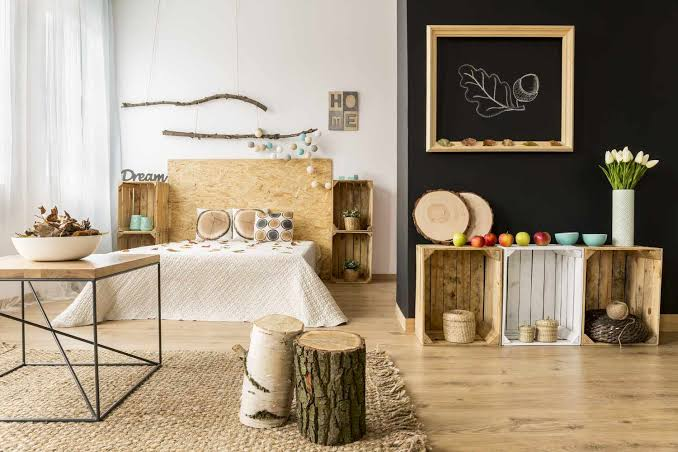
Wooden stools, shelves, frames, and decorative boxes can be used across different rooms. They pair especially well with neutral color palettes and minimalist designs, creating a balance between simplicity and warmth.
Basket Weaving and Natural Fiber Décor
Basket weaving is a traditional craft found in many cultures and remains highly relevant in modern home design. Handmade baskets made from bamboo, cane, jute, or grass offer both functional and decorative value.
These baskets can be used for storage, organizing household items, or simply as decorative elements. Their natural textures introduce softness and warmth into interiors that might otherwise feel too structured or modern.
Wall-mounted baskets or layered basket arrangements can also serve as artistic installations, adding depth and visual interest to plain walls.
Hand-Painted Art and Folk Design Elements
Hand-painted décor pieces such as folk art, murals, and decorative plates bring cultural storytelling into the home. These artworks often depict nature, daily life, mythology, or traditional symbols.
Unlike printed artwork, hand-painted pieces carry brushstroke individuality, making each item unique. They can be used as wall décor, table accents, or centerpiece decorations.
Folk art styles vary widely across regions, giving homeowners the flexibility to choose designs that reflect their cultural background or personal taste.
Handmade Lighting Fixtures for Warm Ambience
Lighting plays a crucial role in setting the mood of a space, and handmade lighting fixtures add a special charm that industrial designs often lack.
Lamps made from clay, bamboo, metalwork, or fabric create soft, diffused lighting that enhances comfort and relaxation. These fixtures often feature intricate craftsmanship that casts beautiful shadows and patterns when illuminated.
Pendant lights with woven shades or carved designs can become statement pieces in living rooms or dining areas, combining functionality with artistic expression.
Textile Wall Décor for Soft Visual Appeal
Wall décor does not always need to be rigid or framed. Handmade textile wall art such as embroidery, weaving, or patchwork adds softness and dimension to interiors.
These pieces are especially effective in bedrooms and reading corners where a calming atmosphere is desired. Textile art also absorbs sound, making rooms feel quieter and more peaceful.
Layering different textile pieces can create a gallery-like wall that feels both artistic and personal.
Metal Craft Accents for Traditional Elegance
Handcrafted metal items such as brass lamps, copper utensils, and iron sculptures are commonly used in traditional home décor. These pieces add a sense of heritage and sophistication.
Metal crafts often feature engraved patterns and aged finishes that enhance their antique appeal. When placed strategically, they can serve as accent pieces that elevate the overall interior design.
Combining metal décor with wood and textiles creates a balanced contrast between hard and soft materials.
Sustainable Benefits of Handmade Home Décor
Traditional craft décor is inherently sustainable because it relies on natural materials and low-energy production methods. Unlike mass-produced plastic or synthetic décor, handmade items are often biodegradable and environmentally friendly.
Supporting local artisans also reduces carbon footprint associated with industrial manufacturing and global transportation. This makes traditional décor a responsible choice for eco-conscious homeowners.
Common Mistakes in Using Traditional Craft Décor
One common mistake is overdecorating spaces with too many handmade items, which can make interiors feel cluttered rather than elegant. Another issue is mixing too many craft styles without cohesion, leading to visual confusion.
Ignoring color balance is also a frequent mistake. Traditional crafts often feature rich textures and patterns, so they should be paired with simple backgrounds to avoid overwhelming the space.
FAQs
What is traditional craft home décor?
Traditional craft home décor involves using handmade items created through local artisanal techniques to decorate and enhance living spaces.
How can I mix modern and traditional décor?
You can mix them by keeping modern spaces minimal and using traditional handmade items as accent pieces.
Are handmade décor items durable?
Yes, handmade items are often very durable when made with quality natural materials and proper craftsmanship.
Which materials are commonly used in traditional décor?
Common materials include wood, clay, bamboo, jute, cotton, wool, and metal.
Why is handmade décor better than machine-made décor?
Handmade décor is unique, sustainable, culturally rich, and often more environmentally friendly than mass-produced items.
Final Thoughts
Traditional craft inspired home decoration is more than just a design trend—it is a celebration of culture, craftsmanship, and sustainability. By incorporating local handmade materials into interiors, homeowners can create spaces that feel warm, authentic, and deeply personal.
From woven textiles and pottery to wooden carvings and metal crafts, each element adds character and meaning to the home. When balanced thoughtfully, traditional décor blends beautifully with modern interiors, creating living spaces that are not only visually appealing but also emotionally enriching and environmentally responsible.