Modern Bathroom Renovation Trends That Are Changing Home Design in 2026 and Beyond
Bathrooms are no longer considered just functional spaces used for daily routines. Modern homeowners are increasingly treating bathrooms as personal retreats that combine comfort, technology, style, and efficiency. A well-designed bathroom can improve everyday living, increase property value, and create a more relaxing atmosphere inside the home.
As home design continues to evolve in 2026 and beyond, bathroom renovations are moving toward smarter layouts, sustainable materials, spa-inspired features, and personalized designs. Homeowners are focusing less on following short-term trends and more on creating timeless spaces that remain practical for years.
Whether you are planning a complete bathroom renovation or making smaller upgrades, understanding the latest design directions can help you make better decisions. Here are some of the biggest bathroom renovation trends shaping modern homes.
Spa-Inspired Bathrooms for Everyday Relaxation
One of the strongest bathroom renovation trends is the transformation of ordinary bathrooms into private wellness spaces. Many homeowners want their bathrooms to feel like a peaceful escape from busy daily life.
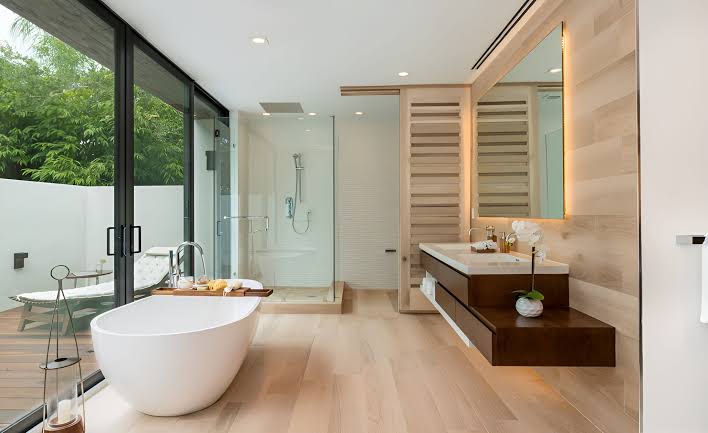
Features inspired by luxury spas are becoming more common, including rainfall showerheads, freestanding bathtubs, natural textures, soft lighting, and calming color palettes. Instead of creating a purely practical space, designers are focusing on comfort and relaxation.
Large walk-in showers with frameless glass panels are replacing traditional shower enclosures in many modern homes. These designs create a more open appearance and make smaller bathrooms feel larger.
Natural materials such as stone, wood-look finishes, and textured tiles are also being used to bring warmth and a connection to nature.
Smart Technology Is Becoming Part of Bathroom Design
Technology is playing a bigger role in modern bathroom renovations. Smart features are no longer limited to kitchens and entertainment areas. Bathrooms are becoming more connected and convenient.
Smart bathroom upgrades may include:
- Digital shower controls for customized temperature settings
- Motion-sensor faucets to reduce water waste
- Smart mirrors with lighting controls and built-in displays
- Heated flooring systems
- Automatic toilet features
- Voice-controlled lighting and ventilation
These improvements can make daily routines easier while adding a modern touch to the home.
However, homeowners should consider practicality before installing every available smart feature. The best technology upgrades are those that improve comfort, efficiency, and long-term usability.
Natural and Earth-Inspired Bathroom Designs
Modern bathroom design is moving away from overly artificial appearances and toward natural aesthetics. In 2026 and beyond, earthy colors and organic materials are expected to remain popular.
Common design choices include:
- Warm beige and sand tones
- Soft greens and natural blues
- Stone-inspired surfaces
- Wooden vanity finishes
- Indoor plants
- Natural lighting
These elements create a peaceful environment and help bathrooms feel more connected to the rest of the home.
Biophilic design, which focuses on bringing natural elements indoors, is also becoming increasingly popular. Adding plants, natural textures, and better airflow can make bathrooms feel healthier and more comfortable.
Sustainable Bathroom Renovation Choices
Environmental awareness is influencing how homeowners approach renovation projects. Sustainable bathroom designs focus on reducing waste, saving water, and choosing durable materials.
Water-saving fixtures are becoming a standard choice for many renovations. Low-flow toilets, efficient shower systems, and sensor-based faucets help reduce water consumption without sacrificing performance.
Homeowners are also choosing materials that last longer, reducing the need for frequent replacements. Durable tiles, recycled materials, and responsibly sourced wood alternatives are becoming more common.
Energy-efficient lighting, improved ventilation systems, and smart temperature controls can also help reduce household energy use.
A sustainable bathroom is not only better for the environment but can also lower long-term maintenance and utility costs.
Minimalist Designs With Better Functionality
Minimalism continues to influence bathroom renovation decisions, but modern minimalism is focused more on functionality than empty spaces.
Homeowners are choosing clean designs with smart storage solutions that reduce clutter. Floating vanities, hidden cabinets, built-in shelves, and wall-mounted fixtures create a more organized appearance.
The goal is not simply to make a bathroom look simple. It is about creating a space where every element has a purpose.
Minimalist bathrooms often use:
- Simple geometric shapes
- Neutral colors
- Hidden storage
- Clean lines
- Fewer decorative elements
This approach creates a timeless design that is less likely to feel outdated after a few years.
Larger Showers and Open Bathroom Layouts
Many homeowners are redesigning bathrooms to create more open and spacious layouts. Traditional bathtub-and-shower combinations are often being replaced with larger shower areas.
Walk-in showers provide several benefits:
- Easier accessibility
- Modern appearance
- Better use of available space
- Easier cleaning
- More customization options
For homeowners who rarely use bathtubs, removing an unused tub can create space for a more practical shower design.
However, bathtub removal should be considered carefully, especially in family homes or properties where future buyers may expect at least one bathtub.
Statement Tiles and Personalized Design Elements
While neutral designs remain popular, many homeowners are adding personality through unique design details.
Statement tiles are becoming a popular way to create visual interest without overwhelming the entire bathroom. Feature walls, patterned flooring, and textured tile designs can add character.
Popular choices include:
- Handmade-look tiles
- Large-format tiles
- Decorative patterns
- Textured surfaces
- Natural stone appearances
Personalization is becoming more important because homeowners want spaces that reflect their lifestyle instead of copying a standard showroom design.
Aging-in-Place Bathroom Designs
Another important trend is designing bathrooms that remain comfortable and accessible as homeowners get older.
Aging-in-place renovations focus on safety and convenience without making the bathroom look like a medical space.
Common features include:
- Walk-in showers
- Grab bars with modern designs
- Non-slip flooring
- Comfortable-height toilets
- Wider doorways
- Better lighting
These features can improve safety for everyone, not just older adults. A well-planned accessible bathroom can also increase the long-term value of a home.
Luxury Materials With Practical Benefits
Homeowners are becoming more selective about luxury materials. Instead of choosing expensive options only for appearance, they are looking for materials that offer durability and easy maintenance.
For example, porcelain tiles can provide the appearance of natural stone while being easier to clean and maintain. Engineered surfaces can offer a premium look while resisting moisture and daily wear.
The future of bathroom renovation is focused on balancing beauty with practicality.
Personalized Bathroom Renovations Over Generic Designs
One major shift in modern home improvement is the move away from one-size-fits-all designs. Homeowners want bathrooms that match their routines, preferences, and available space.
A person who enjoys long relaxing showers may prioritize a large shower system, while another homeowner may prefer a luxury bathtub or advanced storage solutions.
The best bathroom renovation is not necessarily the most expensive one. It is the one that improves how the homeowner uses the space every day.
Final Thoughts
Bathroom renovation trends in 2026 and beyond are focused on creating spaces that are comfortable, efficient, sustainable, and personalized. Modern bathrooms are becoming more than simple utility rooms; they are evolving into areas designed for relaxation, wellness, and improved daily living.
Whether you are planning a complete remodel or making smaller upgrades, focusing on timeless design choices, quality materials, smart technology, and practical features can help create a bathroom that remains valuable for years.
The future of bathroom design is not just about following trends. It is about creating a space that works better for the people who use it.