Home Meditation and Wellness Space Creation Ideas for Mental Peace and Stress Reduction
In today’s fast-paced lifestyle, stress has become a constant companion for many people. Work pressure, digital overload, urban noise, and daily responsibilities often leave little room for mental relaxation. As a result, creating a dedicated home meditation and wellness space has become more than a luxury—it is now a practical necessity for maintaining mental balance and emotional well-being.
A well-designed meditation space at home acts as a personal sanctuary. It provides a quiet environment where the mind can slow down, breathing can deepen, and emotional tension can gradually release. Unlike general living areas, a wellness space is intentionally structured to promote calmness, focus, and inner stability.
This guide explores detailed, practical, and creative ideas for building a home meditation and wellness space that supports mental peace, reduces stress, and enhances daily life quality.
Why a Dedicated Meditation and Wellness Space Matters
A meditation space is not just a physical corner in your home; it is a psychological trigger that tells your brain it is time to relax and disconnect from stress. When used consistently, this space becomes associated with calmness and emotional reset.
Without a dedicated area, meditation often gets interrupted by distractions such as noise, screens, or household activity. This reduces its effectiveness and makes consistency difficult.
A dedicated wellness environment helps in:
- Reducing stress and anxiety levels
- Improving focus and mindfulness
- Enhancing emotional regulation
- Supporting better sleep quality
- Encouraging daily meditation habits
- Creating a mental escape from digital overload
Over time, even short sessions in a well-designed space can significantly improve mental health and emotional resilience.
Choosing the Right Location for a Meditation Space
The foundation of an effective wellness space begins with location. The ideal area should feel naturally calm, private, and free from constant disturbance.
Quiet Corners of the Home
Unused corners of bedrooms, living rooms, or hallways can be transformed into meditation zones. The key is to choose a space with minimal foot traffic and reduced noise exposure.
Natural Light Areas
Spaces near windows or balconies are ideal because natural light enhances mood and supports circadian rhythm balance. Morning sunlight, in particular, has a calming psychological effect.
Separation from High-Activity Zones
Avoid placing meditation areas near kitchens, televisions, or entryways, as these are high-activity zones that disrupt mental focus.
Designing a Calm and Minimalist Environment
Simplicity is the core principle of any wellness space. A cluttered environment leads to a cluttered mind, while a clean and minimal space encourages mental clarity.
Decluttering the Area
Remove unnecessary furniture, electronics, and decorative items. Keep only essential elements that support relaxation and focus.
Neutral and Soft Color Palettes
Colors play a significant role in emotional regulation. Soft tones such as beige, white, light green, and pastel blue create a calming atmosphere. These colors reduce visual stimulation and help the mind settle more easily.
Minimal Furniture Setup
A meditation cushion, floor mat, or simple chair is usually enough. Avoid overcrowding the space with furniture, as simplicity enhances mental openness.
Importance of Lighting in Meditation Spaces
Lighting has a direct impact on mood, energy levels, and relaxation ability. The right lighting can transform an ordinary corner into a peaceful retreat.
Natural Lighting Benefits
Natural light helps regulate mood and improves serotonin levels, making it ideal for morning meditation sessions. Soft daylight enhances calmness without overwhelming the senses.
Warm Artificial Lighting
In the evening, warm lighting creates a soothing environment that supports relaxation and sleep preparation. Soft lamps, dim lights, or candlelight work especially well.
Avoid Harsh Lighting
Bright white or flickering lights can cause mental stimulation and reduce relaxation effectiveness. Soft and diffused lighting is always preferable.
Sound Design for Mental Peace
Sound is one of the most powerful elements influencing meditation quality. A well-designed wellness space should minimize noise and enhance calming sounds.
Reducing External Noise
Soundproofing techniques such as thick curtains, rugs, or insulated walls can help reduce external disturbances like traffic or household noise.
Natural Sound Elements
Incorporating gentle natural sounds like flowing water, wind chimes, or soft instrumental music can deepen relaxation.
Silence as a Tool
Sometimes complete silence is the most powerful form of sound therapy. A quiet environment allows deeper introspection and mindfulness.
Aromatherapy and Sensory Enhancement
Engaging the senses helps deepen meditation and relaxation experiences. Aromatherapy is widely used in wellness spaces for this purpose.
Essential Oils
Lavender, sandalwood, eucalyptus, and chamomile are known for their calming properties. They help reduce anxiety and promote mental clarity.
Incense and Natural Scents
Traditional incense or herbal fragrances can create a grounding atmosphere. However, they should be used in moderation to avoid overpowering the space.
Fresh Air Circulation
Proper ventilation ensures a continuous flow of fresh air, preventing the space from feeling heavy or stagnant.
Furniture and Comfort Elements for Meditation
Comfort plays a major role in maintaining focus during meditation sessions. The right seating arrangement helps maintain posture without discomfort.
Floor Cushions and Mats
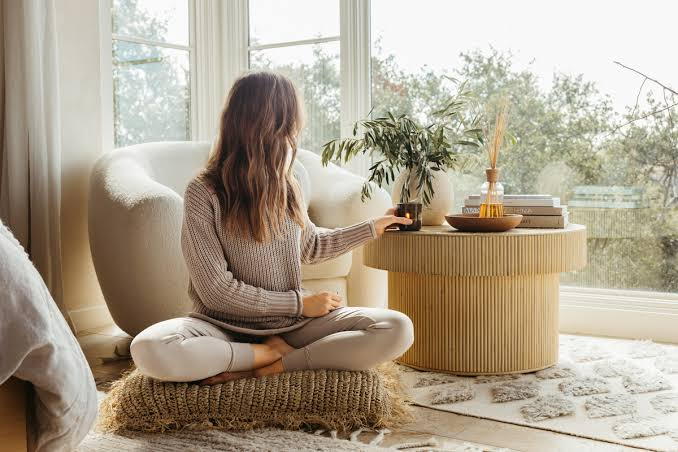
Floor seating encourages grounding and connection with the space. Cushions provide comfort while maintaining proper posture.
Meditation Chairs
Ergonomic chairs designed for meditation help people who find floor sitting difficult. They support spine alignment and reduce physical strain.
Soft Textures
Blankets, rugs, and soft fabrics add warmth and comfort, making the space feel inviting and safe.
Nature Integration for Emotional Balance
Connecting with nature has a powerful calming effect on the human mind. Bringing natural elements into a wellness space enhances emotional balance.
Indoor Plants
Plants like snake plant, peace lily, and aloe vera improve air quality and create a refreshing environment.
Natural Materials
Wood, bamboo, and stone elements help create a grounded and organic atmosphere.
Water Elements
Small indoor fountains or water bowls can introduce soothing water sounds that enhance relaxation.
Digital Detox and Technology-Free Zones
One of the most important aspects of a wellness space is reducing digital distractions. Constant exposure to screens keeps the mind active and prevents deep relaxation.
No Device Policy
Avoid using phones, televisions, or laptops inside the meditation space. This helps train the mind to associate the area with calmness.
Digital Transition Ritual
Leaving devices outside the space before entering can act as a mental signal for relaxation mode.
Optional Guided Tools
If needed, guided meditation audio can be used, but it should be kept minimal and non-distracting.
Creating a Personal Ritual Around the Space
A meditation space becomes more effective when it is used consistently with intention. Establishing a personal routine strengthens its psychological impact.
Morning Meditation Routine
Starting the day with meditation improves focus, emotional stability, and productivity throughout the day.
Evening Relaxation Practice
Evening sessions help release stress accumulated during the day and prepare the mind for restful sleep.
Common Mistakes in Designing Meditation Spaces
Many people unintentionally reduce the effectiveness of their wellness space due to poor design choices.
One common mistake is overcrowding the space with decorative items, which creates visual distraction. Another is placing the meditation area in noisy or high-traffic zones, which prevents deep relaxation.
Overuse of strong scents, bright lighting, or digital devices can also disrupt the calming environment.
FAQs
What is the best location for a home meditation space?
The best location is a quiet, low-traffic area with natural light and minimal distractions.
How big should a meditation space be?
A meditation space does not need to be large. Even a small corner can be effective if it is peaceful and well-designed.
What colors are best for meditation rooms?
Soft, neutral, and nature-inspired colors like white, beige, light green, and soft blue are ideal for calming the mind.
Can I meditate in a shared living space?
Yes, but it is better to create a designated corner to reduce distractions and build consistency.
Do I need special furniture for meditation?
No special furniture is required, but cushions, mats, or ergonomic chairs can improve comfort and posture.
Final Thoughts
Creating a home meditation and wellness space is a powerful step toward improving mental peace and reducing stress in daily life. It is not about luxury or large spaces but about thoughtful design, simplicity, and intentional use.
By combining calming colors, natural elements, proper lighting, sensory balance, and digital detox practices, anyone can transform a small corner of their home into a personal sanctuary. Over time, this space becomes more than just a physical area—it becomes a mental refuge that supports clarity, emotional stability, and inner peace in an increasingly stressful world.