Why Microcement Finishes Are Gaining Popularity in Kitchen Remodels
Kitchen remodeling trends are constantly changing as homeowners look for finishes that combine beauty, durability, and practicality. While traditional materials like tiles, marble, and granite remain popular, a newer surface solution called microcement has started attracting attention among designers, builders, and homeowners.
Microcement finishes are becoming increasingly popular in kitchen remodels because they offer a seamless appearance, modern style, and flexibility that many conventional materials cannot provide. From countertops and backsplashes to floors and walls, this versatile coating can transform ordinary kitchen spaces into elegant, functional areas with a unique contemporary feel.
What Is Microcement and Why Is It Different?
Microcement is a thin decorative coating made from a mixture of cement, resins, minerals, and additives. Unlike traditional cement surfaces, it is applied in very thin layers over existing surfaces, creating a smooth and continuous finish.
One of the biggest differences between microcement and materials like ceramic tiles or stone slabs is the lack of visible joints. Traditional kitchen surfaces often have grout lines that can collect dirt, stains, and moisture over time. Microcement creates a nearly seamless surface, which gives kitchens a cleaner appearance and makes maintenance easier.
Although it has a concrete-inspired look, microcement is available in many colors, textures, and finishes. Homeowners can choose between a soft matte appearance, a polished effect, or a more natural textured style depending on their kitchen design goals.
The Growing Demand for Seamless Kitchen Designs
Modern kitchen designs are moving toward simple, open, and visually balanced spaces. Many homeowners prefer minimalist interiors where surfaces flow naturally without too many interruptions.
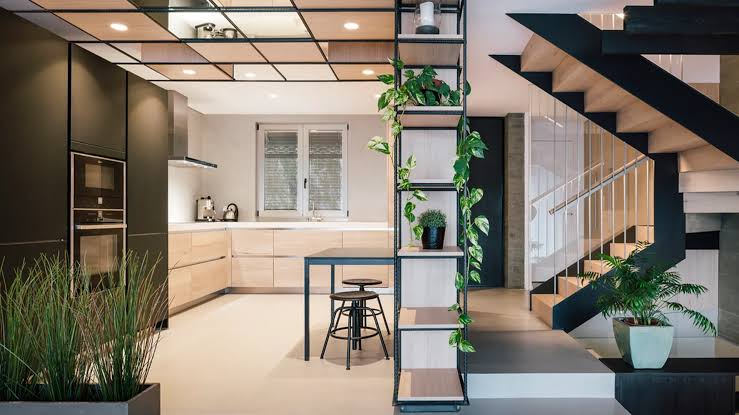
Microcement fits perfectly into this design approach. Because it can cover walls, floors, islands, and countertops with the same material, it creates a consistent visual style throughout the kitchen.
For example, a kitchen island finished with microcement can blend smoothly with matching flooring or backsplash areas. This creates a custom-designed appearance without requiring multiple materials that compete with each other.
This seamless quality is one of the main reasons architects and interior designers are increasingly considering microcement for renovation projects.
Microcement Works Well With Different Kitchen Styles
Another reason for its popularity is its ability to match various interior styles. While many people associate concrete finishes with industrial kitchens, microcement can work with much more than just modern designs.
In a minimalist kitchen, a soft gray microcement finish can create a clean and calm atmosphere. In a traditional home, warmer tones can add a natural handcrafted feel. It can also complement wooden cabinets, metal fixtures, natural stone elements, and modern appliances.
Because of its customization options, microcement is not limited to one specific design trend. It can adapt to different homeowner preferences and architectural styles.
A Practical Choice for Busy Kitchens
The kitchen is one of the most heavily used areas in any home. Surfaces must handle spills, heat, moisture, cleaning products, and daily wear.
When properly installed and sealed, microcement provides a durable surface that can handle regular kitchen activities. Its protective sealant helps improve resistance against water, stains, and everyday damage.
The smooth surface also makes cleaning easier. Unlike tiled surfaces where grout requires regular scrubbing, microcement has fewer areas where food particles and dirt can accumulate.
However, homeowners should understand that microcement is not completely maintenance-free. Like other premium finishes, it requires proper care to maintain its appearance over many years.
A Good Option for Kitchen Renovations Without Major Demolition
One of the biggest advantages of microcement is that it can often be applied over existing surfaces. This makes it attractive for renovation projects where homeowners want to update their kitchen without removing everything.
For example, outdated tiles, old countertops, or existing floors may sometimes be covered with microcement after proper preparation. This can reduce demolition work, waste, and renovation time.
However, surface preparation is extremely important. Uneven, damaged, or unstable surfaces need to be repaired before application. A poor installation process can lead to cracks, uneven texture, or premature damage.
Why Designers Like the Customization Options
Every homeowner has different preferences when remodeling a kitchen. Some want a bold statement finish, while others prefer a subtle background texture.
Microcement offers a wide range of customization possibilities, including:
- Different colors and shades
- Matte or polished finishes
- Smooth or textured appearances
- Natural stone-inspired effects
- Decorative patterns and layers
This flexibility allows designers to create unique kitchens rather than relying on standard material options.
Is Microcement More Expensive Than Traditional Materials?
The cost of microcement depends on several factors, including the size of the project, surface condition, installation complexity, and finish type.
Compared with basic tiles or laminate surfaces, microcement may have a higher upfront cost. However, many homeowners consider it a worthwhile investment because of its appearance, durability, and long-term design value.
The installation process requires skilled professionals because achieving a smooth and consistent finish requires experience. Choosing an inexperienced installer may result in problems that become expensive to fix later.
For this reason, homeowners should evaluate both material costs and installation quality when considering microcement for a kitchen remodel.
Potential Challenges Homeowners Should Consider
Although microcement offers many benefits, it is important to understand its limitations before making a decision.
One concern is that improper installation can affect performance. The material depends heavily on correct preparation, application techniques, and sealing.
Another consideration is that very heavy impacts can damage the surface. While microcement is durable, it is not completely immune to scratches, cracks, or wear.
Homeowners should also ask about maintenance requirements and recommended cleaning products. Harsh chemicals or abrasive cleaners may affect the protective coating over time.
Understanding both the advantages and limitations helps homeowners make a more informed remodeling decision.
The Future of Microcement in Home Design
As homeowners continue searching for sustainable, customizable, and visually appealing materials, microcement is likely to remain a growing choice in kitchen renovations.
Its ability to refresh existing spaces, reduce demolition, and create seamless modern designs makes it attractive for both new construction and remodeling projects.
The increasing interest in personalized home interiors is also helping materials like microcement gain attention. Instead of choosing identical finishes found in many homes, homeowners are looking for surfaces that reflect their personal style.
Final Thoughts
Microcement finishes are gaining popularity in kitchen remodels because they combine modern aesthetics with practical benefits. Their seamless appearance, design flexibility, easy maintenance, and ability to transform existing surfaces make them an appealing option for many homeowners.
While it requires professional installation and proper care, microcement can provide a distinctive and long-lasting finish when applied correctly. As kitchen design continues moving toward personalized and functional spaces, microcement is becoming an important material choice for homeowners looking beyond traditional remodeling solutions.